在 C# 中,给现有对象动态添加属性并不像 Python 或Javascript那样直观,因为 C# 是一种强类型语言。然而,我们可以通过使用一些技巧和库(如扩展方法、字典、ExpandoObject 等)来实现这一点。本篇文章将详细介绍如何在 C# 中实现这一目的。
方法一:使用 ExpandoObject
ExpandoObject 是 .NET 提供的一个特殊类,允许动态添加属性。它实现了 IDictionary<string, object> 接口,这意味着你可以像操作字典一样动态添加属性。
代码重构是每个开发者都应该掌握的重要技能。通过重构,我们可以在不改变代码外部行为的前提下,优化代码结构,提高可读性和可维护性。本文将介绍5个强大的C#重构技巧,帮助您将代码提升到一个新的水平。
提取验证逻辑
将分散的验证逻辑提取到单独的方法中,可以显著提高代码的可读性和可维护性。
重构前:
C#public void AddCustomer(string firstName, string lastName, string email, DateTime dateOfBirth)
{
    if (string.IsNullOrEmpty(firstName) || string.IsNullOrEmpty(lastName))
    {
        throw new ArgumentException("First name and last name are required.");
    }

    if (!email.Contains('@') && !email.Contains('.'))
    {
        throw new ArgumentException("Invalid email format.");
    }

    if (CalculateAge(dateOfBirth, DateTime.Now) < 21)
    {
        throw new ArgumentException("Customer must be at least 21 years old.");
    }

    // 添加客户的其他逻辑
}
在C#编程中,类型转换是一个非常重要且常用的概念。它允许我们将一种数据类型转换为另一种数据类型,就像变魔术一样令人兴奋。本文将深入探讨C#中的类型转换、隐式操作符等关键概念,并通过多个示例帮助你更好地理解和应用这些知识。
什么是类型转换?
类型转换是将一种数据类型转换为另一种数据类型的过程。在C#中,这个过程可以是隐式的(自动进行),也可以是显式的(需要程序员明确指定)。
隐式转换
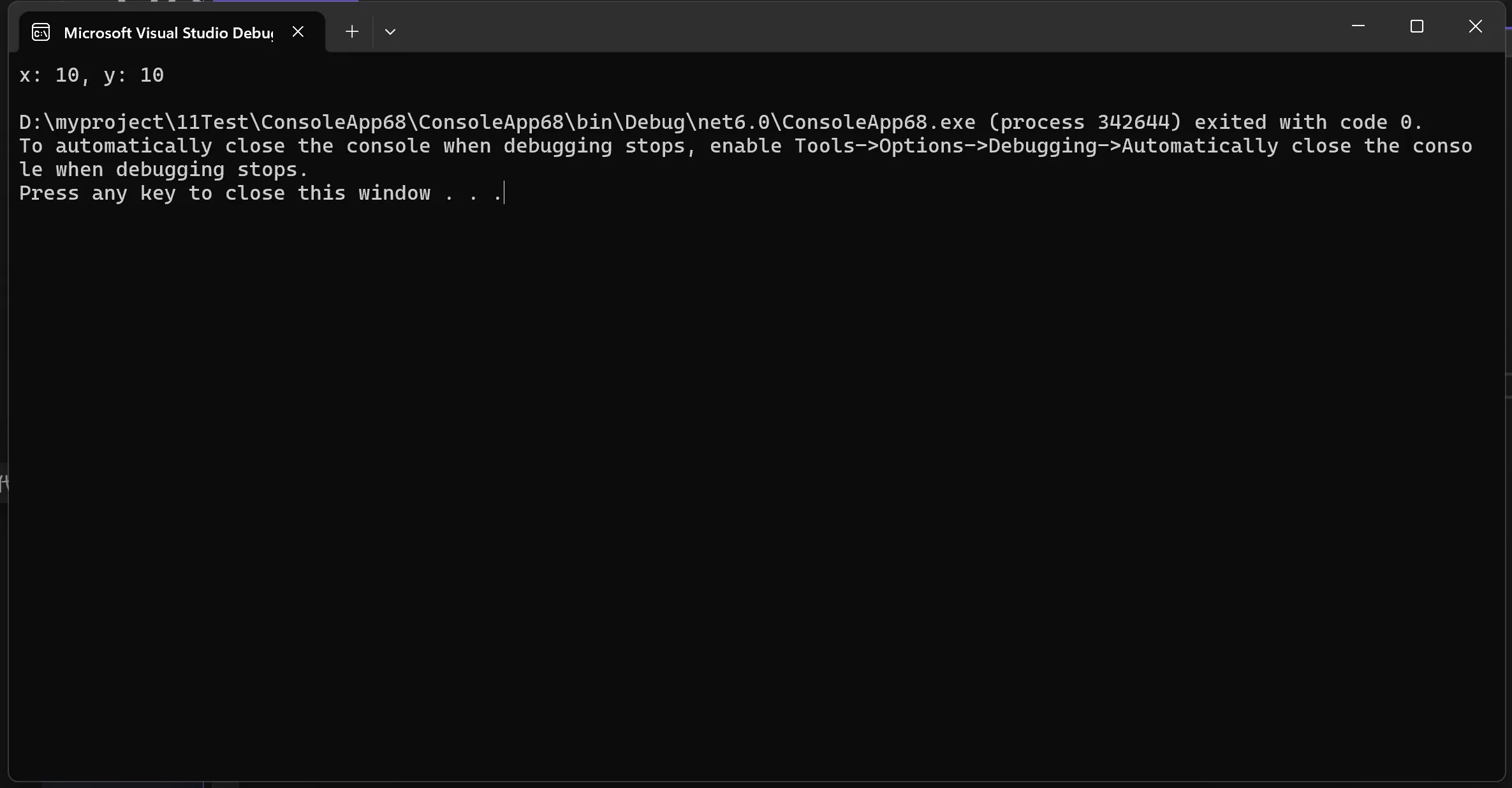
当较小的数据类型转换为较大的数据类型时,通常可以进行隐式转换。例如:
C#int x = 10;
double y = x; // 隐式转换,不需要显式指定

Console.WriteLine($"x: {x}, y: {y}");
输出:
在现代商业应用中,订单编码是一个非常重要的组成部分。一个好的订单编码方案不仅能够提高订单处理的效率,还可以帮助企业更好地管理和追踪订单。本文将展示如何使用C#实现一个通用的订单编码生成类,该类具有高度的可配置性。
需求分析
一个优秀的订单编码生成器应该具备以下特点:
- 前缀:可以自定义订单编码的前缀,如"ORD"、"INV"等。
- 日期格式:订单编码中包含日期部分,可以自定义日期的格式。
- 序列号:具有固定长度的序列号,生成的每个订单编码其序列号递增。
- 分隔符:不同部分之间的分隔符可以自定义。
- 校验功能:能够验证一个订单编码是否符合预定的格式。
基于此,我们将实现两个主要类:
OrderCodeGeneratorConfig:用于存储和管理订单编码的配置信息。OrderCodeGenerator:用于生成和验证订单编码。
在开发C#应用程序时,特别是在处理大量数据时,不可避免地需要与数据库进行交互。然而,如果在循环中频繁进行数据库操作,会导致性能问题、增加数据库负担,甚至可能导致瓶颈。本文将探讨如何避免在循环中进行数据库操作,并提供详细的例子来说明这些方法。
为什么要避免在循环中调用数据库操作?
在循环中进行数据库操作会带来以下几个问题:
- 性能问题:每一次数据库操作都会涉及网络通信、IO操作和数据库处理时间,频繁调用会大幅降低程序的性能。
- 增加数据库负担:频繁的数据库访问会占用数据库连接,增加数据库服务器的负荷,影响整体系统的性能。
- 降低代码可维护性:分散的数据库操作代码难以维护和优化。
方法一:批量操作
示例1:批量插入数据
不建议的方法:
C#foreach (var item in list)
{
    using (var connection = new SqlConnection(connectionString))
    {
        var command = new SqlCommand("INSERT INTO MyTable (Col1) VALUES (@value)", connection);
        command.Parameters.AddWithValue("@value", item);
        connection.Open();
        command.ExecuteNonQuery();
    }
}
建议的方法:
C#using (var connection = new SqlConnection(connectionString))
{
    connection.Open();
    using (var transaction = connection.BeginTransaction())
    {
        var command = new SqlCommand();
        command.Connection = connection;
        command.Transaction = transaction;
        foreach (var item in list)
        {
            command.CommandText += "INSERT INTO MyTable (Col1) VALUES (@value_" + item.Id + ");";
            command.Parameters.AddWithValue("@value_" + item.Id, item.Value);
        }
        command.ExecuteNonQuery();
        transaction.Commit();
    }
}